


In industrial environments, high temperatures, continuous physical activity, and prolonged glove use can cause sweat to accumulate inside protective gloves. This may lead to discomfort, a feeling of dampness, and reduced convenience during manual operations. Beyond user comfort, moisture management is an important consideration when selecting protective equipment for workers who handle tools, components, and industrial materials throughout the day.
As occupational safety requirements continue to evolve, protective glove design increasingly focuses not only on the performance of the outer coating but also on the materials that come into direct contact with the skin. Rubber-coated gloves with cotton lining are one practical approach, combining an outer protective layer with an inner textile layer designed to absorb moisture and improve wearing comfort.
Workers rely on their hands for a wide range of tasks, including assembling components, operating equipment, maintaining machinery, and handling materials. In hot environments or during extended shifts, perspiration can accumulate inside gloves and affect the overall wearing experience.
Several issues may arise:
Moisture accumulation: Sweat trapped inside gloves can create a damp and uncomfortable feeling.
Reduced comfort: Prolonged skin contact with moisture may increase friction between the hand and the glove lining.
Handling difficulties: Depending on the glove design and working conditions, moisture may affect grip and make certain tasks less convenient.
Work interruptions: Workers may need to remove or replace gloves to restore comfort, potentially interrupting workflow.
For these reasons, selecting protective gloves requires consideration of several factors, including protection, fit, grip, flexibility, and internal moisture management.
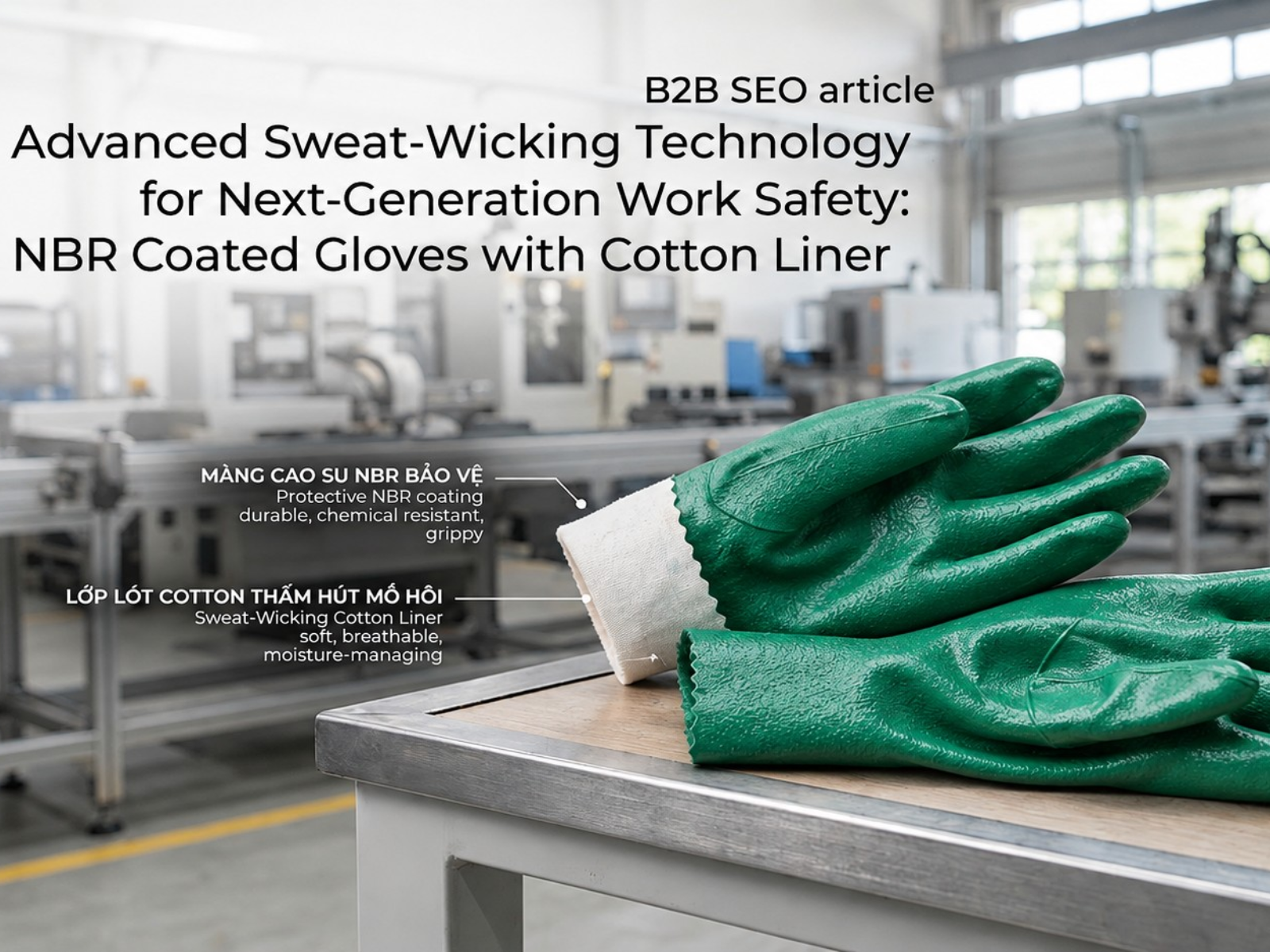
Cotton is a natural fiber composed primarily of cellulose, which enables it to absorb moisture. When used as an inner glove lining, cotton can absorb some perspiration from the skin and help reduce the sensation of direct contact with a damp surface.
However, moisture absorption and moisture evaporation are not the same. Cotton can absorb sweat, but this does not automatically mean that moisture will evaporate quickly. Actual performance depends on factors such as fabric structure, lining thickness, glove fit, ambient temperature, and working conditions.
A cotton lining can therefore contribute to a more comfortable wearing experience, although it should be evaluated as part of the complete glove design rather than as a standalone solution to heat and perspiration.
While the cotton lining contacts the hand, the outer rubber coating serves the protective functions required by the working environment.
Natural rubber and nitrile butadiene rubber (NBR) have different material properties. Natural rubber is commonly used where elasticity and suitable grip are important. NBR, a synthetic rubber, generally offers better resistance to many oils and greases than natural rubber, depending on the formulation and exposure conditions.
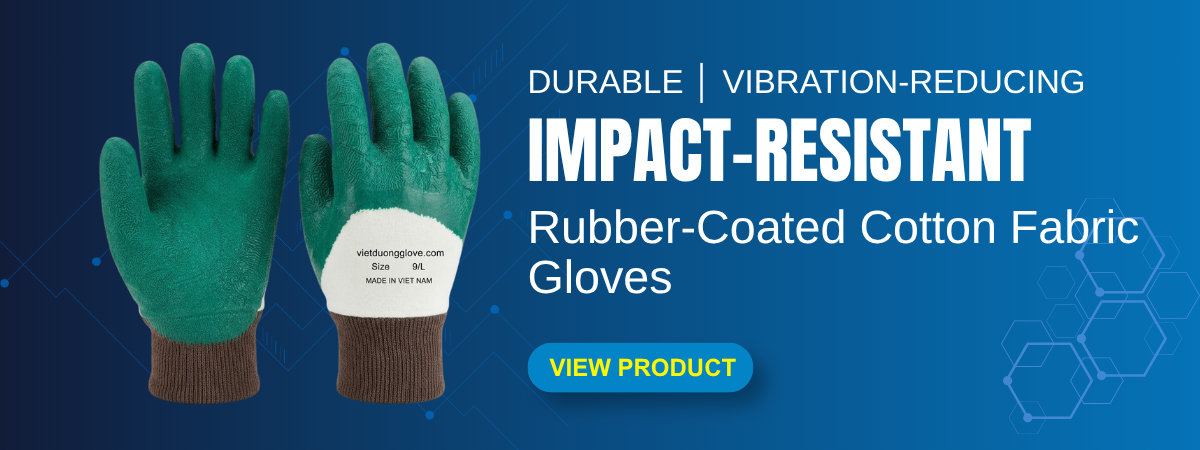
Combining a rubber coating with a cotton lining can help address two requirements: protection suited to the intended task and improved comfort during wear. Nevertheless, resistance to chemicals, abrasion, and slipping must be verified against the specifications and test results of the particular glove.
In mechanical workshops, machinery maintenance, automotive servicing, and industrial manufacturing, workers may regularly encounter engine oil, lubricants, and industrial grease. These applications require glove materials selected according to the substances handled and the level of exposure.
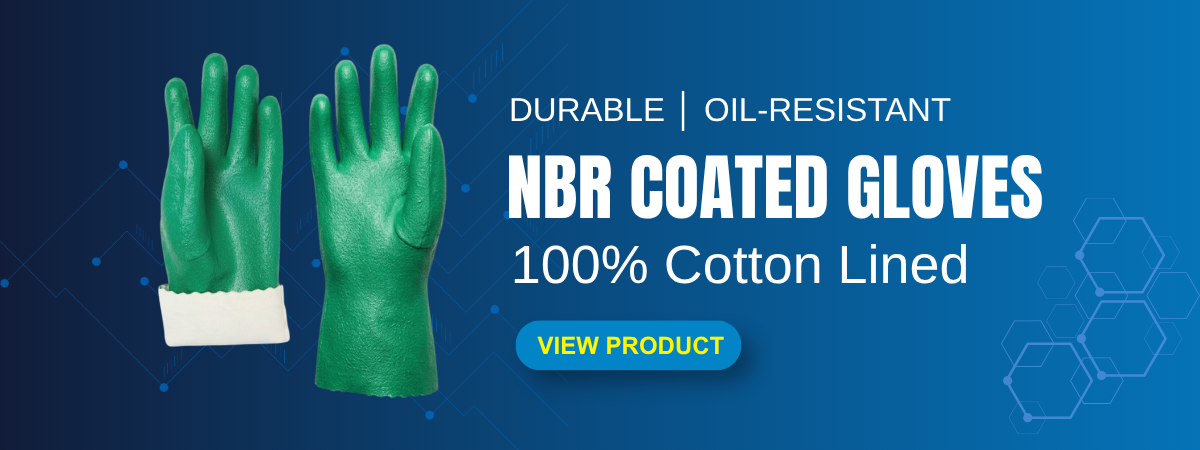
Cotton-lined NBR gloves combine an outer nitrile rubber coating with an inner cotton lining, offering a practical option for applications where oil resistance and wearing comfort are both important considerations.
Key features to evaluate include:
NBR coating: Suitable for many oil- and grease-related applications, subject to the type of substance, exposure duration, and product specifications.
Cotton lining: Helps absorb some perspiration and reduces direct contact between the skin and the rubber coating.
Glove fit and flexibility: Appropriate sizing and construction support comfortable movement and manual handling.
Surface texture: The coating texture should be selected according to grip requirements in dry, wet, or oily conditions.
Working environment: The glove's actual protective capabilities must match the hazards present at the workplace.
It is important to note that cotton-lined NBR gloves are not automatically suitable for every chemical or exposure scenario. When handling hazardous chemicals, employers should consult the relevant Safety Data Sheet (SDS), material compatibility information, and manufacturer guidance before selecting protective gloves.
Choosing the right protective glove involves more than comparing prices. Businesses should evaluate products according to their operational requirements and workplace hazards.
Identify the workplace hazards. Determine whether workers handle oils, greases, sharp materials, hot surfaces, or hazardous chemicals. Each application requires protection appropriate to the specific risks.
Consider wearing duration. For tasks involving extended glove use, fit, weight, flexibility, and internal comfort can significantly influence the user experience.
Evaluate the coating and lining. The outer coating should be suitable for the working environment, while the inner lining should provide appropriate comfort, durability, and moisture absorption.
Establish inspection and replacement procedures. Gloves should be inspected regularly and replaced when damaged, degraded, contaminated beyond safe cleaning limits, or no longer suitable for the task. Gloves with torn fabric or peeling coatings should not continue to be used when their protective performance may be compromised.
Choose a reliable manufacturer. Clear technical information, consistent product quality, and dependable supply are important considerations for businesses purchasing protective gloves in bulk.
As workplace requirements become increasingly diverse, choosing a manufacturer with suitable product options and reliable supply capabilities can help businesses manage their occupational safety equipment more effectively.
Viet Duong Glove supplies protective gloves for a range of applications, including cotton-lined NBR gloves for work environments where oil and grease exposure must be considered alongside wearing comfort.
When evaluating suitable products, businesses should identify their working conditions, technical requirements, required quantities, and quality expectations. This helps ensure that the selected gloves are appropriate for their intended applications.
For businesses seeking protective gloves for industrial operations, Viet Duong Glove offers an opportunity to explore rubber-coated glove options and discuss product requirements for bulk purchasing.
Visit Viet Duong Glove to learn more about protective glove solutions for industrial applications.
Next-generation protective equipment is designed to address not only external protection but also the practical needs of workers during daily operations. In protective glove manufacturing, combining a rubber coating with a cotton lining is one approach to balancing application-specific protection with wearing comfort and moisture absorption.
For workplaces involving oil and grease, cotton-lined NBR gloves are worth considering when their technical specifications match the actual hazards and operating conditions. By evaluating material properties, product performance, and workplace requirements, businesses can make more informed decisions when selecting protective gloves.
Viet Duong Glove remains focused on providing protective glove options for industrial users seeking solutions aligned with their operational needs.

>> Găng Tay Chống Dầu NBR Lót 100% Vải Cotton
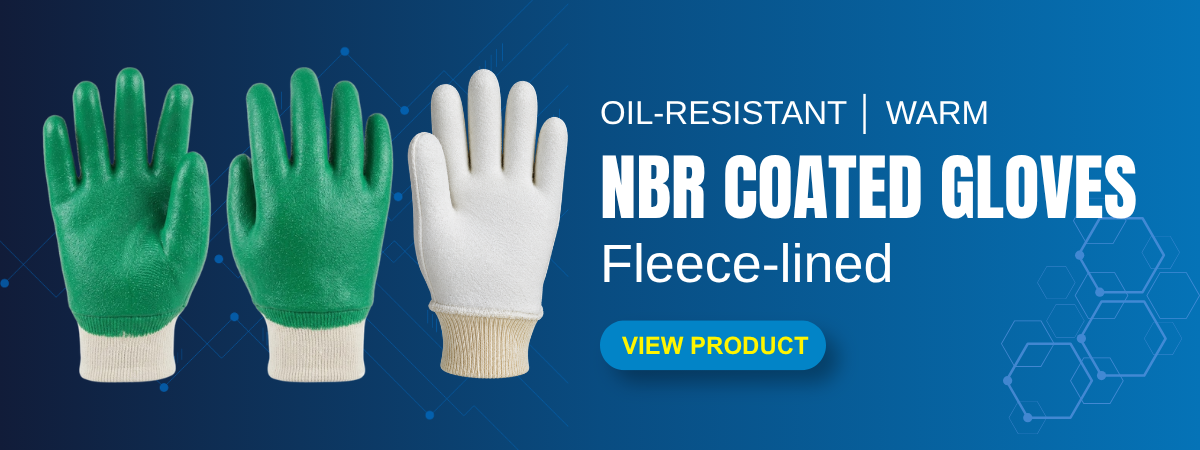
>> Găng Tay Chống Dầu NBR Lót Nỉ
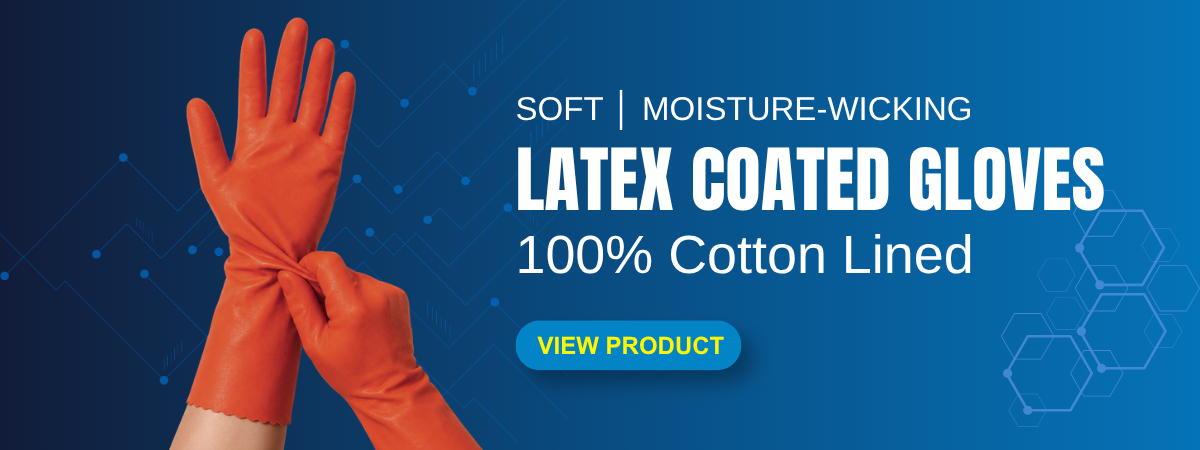
>> Găng Tay Cao Su Latex Lót 100% Vải Cotton





Hotline

 Tiếng Việt
 English