





long-term occupational health when exposure is frequent or prolonged. Appropriate protective equipment, including suitable anti-vibration gloves, can form part of a broader workplace safety strategy.
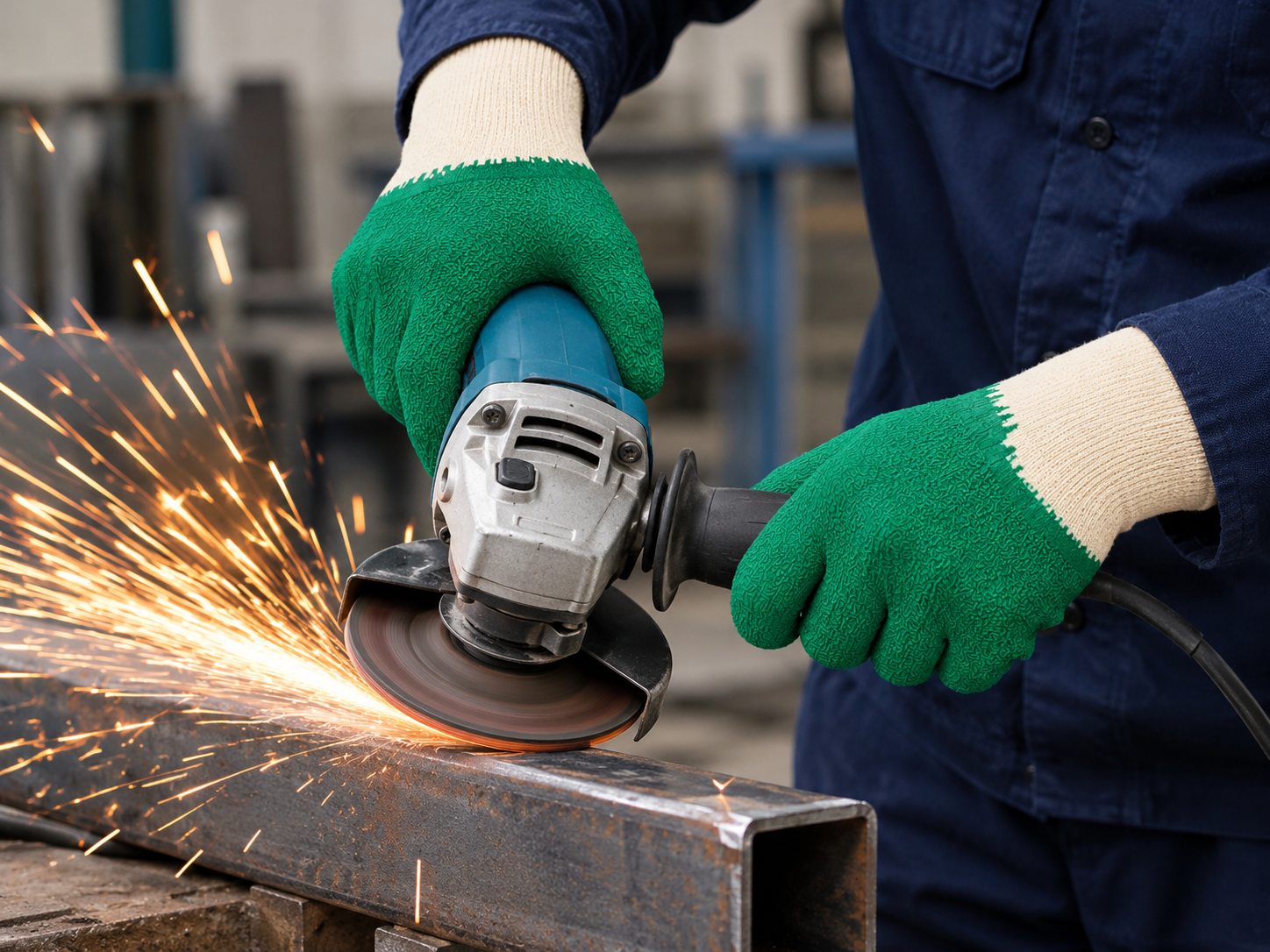
In mechanical engineering, construction, metalworking, maintenance and industrial manufacturing, workers regularly operate equipment such as grinders, drills, impact tools and other powered machinery. Alongside noise, dust and impact hazards, vibration transmitted from equipment to the hands and arms is another important occupational safety concern.
Repeated or prolonged exposure to hand-arm vibration may contribute to symptoms such as tingling, numbness, discomfort and reduced sensation in the fingers. The level of risk depends on several factors, including vibration intensity, exposure duration, equipment condition and working practices.
Early symptoms may be overlooked, particularly in workplaces where employees feel pressure to maintain productivity. Continuing to work with tired or numb hands may also affect grip, precision and the ability to operate equipment safely.
For employers, addressing vibration is therefore not only a matter of occupational health. It is also an important part of maintaining safe working conditions and reliable work performance.
Effective vibration control requires a comprehensive approach rather than relying solely on personal protective equipment.
Machinery and powered tools should be inspected and maintained regularly to identify damaged components, imbalance or unusual vibration. Where practical, employers should consider equipment with lower vibration levels and apply engineering controls that reduce vibration at its source or limit transmission to the operator.
Work organization is equally important. Appropriate work-rest schedules, task rotation where suitable, correct operating techniques and occupational health monitoring can all contribute to a more effective risk management program.
Workers should also receive protective equipment selected for the hazards they face. For tasks involving vibrating tools, properly selected anti-vibration gloves may be one component of hand protection. However, gloves should never replace engineering controls, safe operating procedures or other required protective measures.
Not all protective gloves are designed to reduce vibration. Product selection should take into account the type of equipment, vibration characteristics, exposure duration and the specific demands of the task.
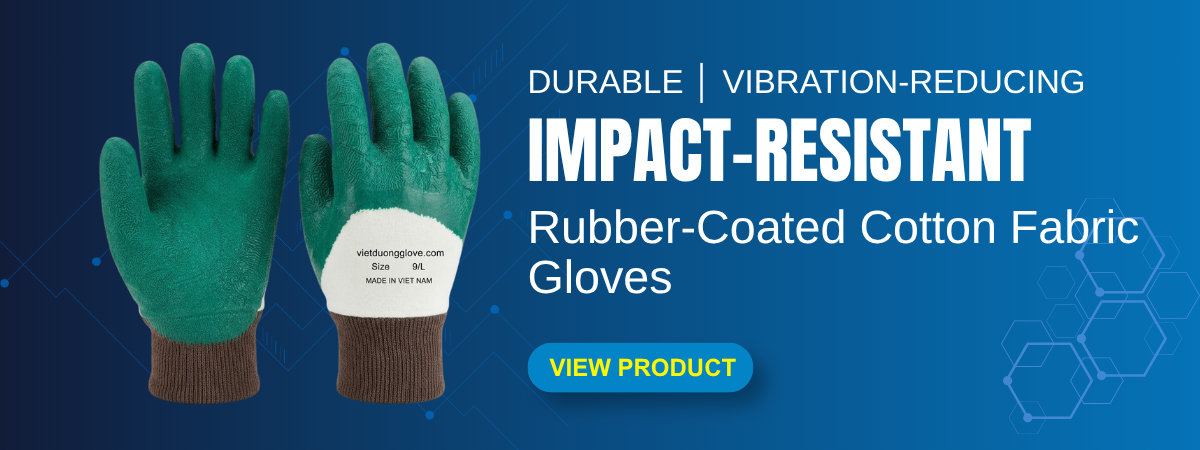
Anti-vibration gloves are generally designed with materials or structures intended to attenuate vibration in certain contact areas. When appropriately selected and used according to the manufacturer’s instructions, they may help reduce vibration transmission under specific conditions.
Their effectiveness depends on product design, verified performance and actual working conditions. Gloves cannot eliminate vibration exposure or guarantee prevention of all health effects associated with hand-arm vibration. Employers should therefore assess workplace risks and review relevant product performance information before selecting a suitable model.
Other factors also matter, including fit, grip, durability and compatibility with the working environment. Particular care is necessary around rotating machinery: gloves may create an entanglement hazard if they can be caught by moving parts. Workers must follow the machine manufacturer’s safety instructions and the workplace risk assessment.
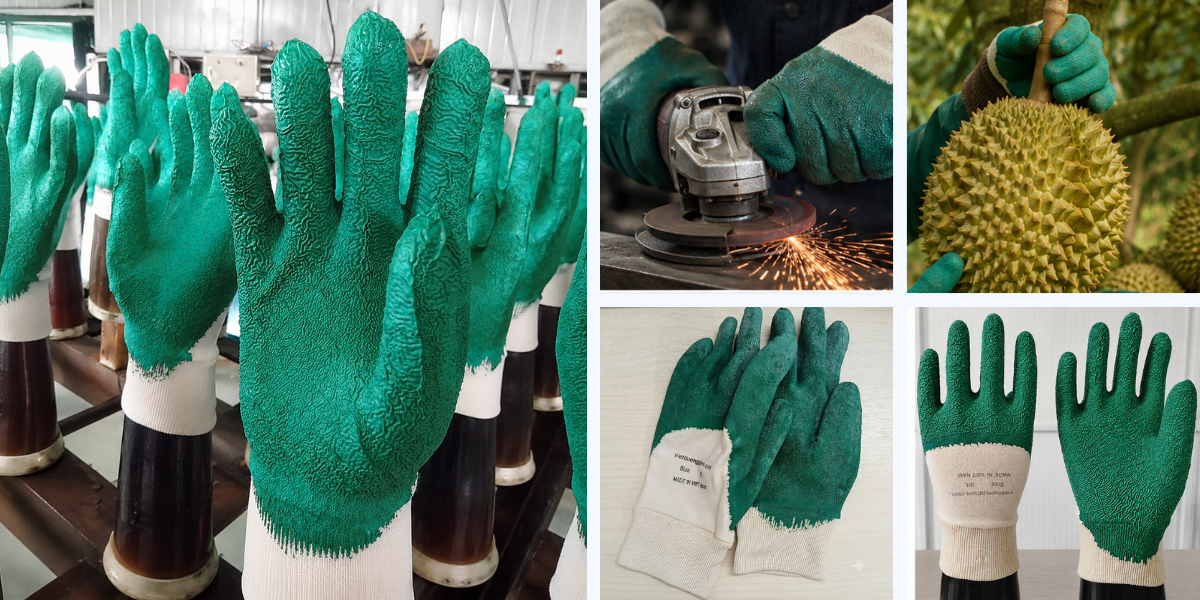
Choosing the right protective gloves is an important step in creating a safer working environment. Viet Duong provides occupational protective glove options for businesses and workers seeking hand protection suited to different job requirements.
For workplaces looking for anti-vibration gloves for machinery operation, buyers should review the product’s technical specifications, construction and supporting evidence of vibration-reduction performance. These details should be matched to the equipment being used and the hazards identified in the workplace risk assessment.
Employers should also train workers to inspect gloves before use, replace damaged products and follow safe operating procedures. Personal protective equipment is most effective when integrated into a broader occupational safety program.

Machinery vibration should not be underestimated in industrial and manufacturing environments. Controlling vibration at its source, organizing work responsibly, educating employees and selecting suitable protective equipment can all contribute to a safer and more sustainable workplace.
Protecting workers’ hands begins before symptoms appear. Assess the risks, understand the task and choose protective solutions based on verified performance and workplace requirements.





Hotline

 Tiếng Việt
 English